Cosmetics labels combine compliance (EC Reg. 1223/2009, INCI, PAO) with a premium image. Here's what they must contain and why it pays to print them in-house, even in short runs.
In cosmetics, the label has to do two things at once: comply with precise European regulations and convey the brand's premium image. Tiny text like the INCI, many product lines and small formats, refined packaging and resistance to creams and oils make cosmetics labels among the most demanding to produce. In this guide we look at what a compliant cosmetics label must contain and why it pays to print it in-house, even in short runs.
What a cosmetics label must contain
In Europe, cosmetic products are governed by Regulation (EC) No 1223/2009. In short, a cosmetics label must show, clearly and legibly:
- the name and address of the responsible person and, for imported products, the country of origin;
- the nominal content (weight or volume);
- the best-before date ("best used before") or the PAO symbol (Period After Opening, the open jar with the number of months) for products lasting more than 30 months;
- the precautions for use and warnings;
- the production batch number;
- the function of the product, if not obvious;
- the ingredient list (INCI), in descending order of quantity and using the standard international nomenclature.
These requirements change with the formula or the format: a new version of a product, a different ingredient or a change of packaging is enough to make the previous label obsolete. The details should always be checked case by case with a regulatory consultant.
The specific challenges of cosmetics labels
Beyond compliance, cosmetics pose particular technical challenges:
- Tiny text and legibility. INCI lists are long and must be printed small yet perfectly legible: high resolution is needed.
- Many product lines and small formats. Broad lines, fragrance or size variants, samples and mini-sizes: many different labels, often small.
- Premium aesthetics. In cosmetics, the label is part of the brand experience: finishes, textured effects and transparent materials for the "no-label look".
- Resistance to creams, oils and water. The label lives with the bathroom environment, the shower and direct contact with the product, without smudging or peeling off.
Why print cosmetics labels in-house
Bringing printing in-house solves the typical constraints of an external supplier — minimum orders, long lead times, ageing stock. With digital printing there are no setup costs, so you can produce a few dozen or hundred labels for a launch, a market test or a limited edition. If the formula changes, you update the INCI and immediately reprint the corrected version, and with variable data you handle batch, PAO and different wording on every piece in a single pass. All while keeping direct control over the brand image.
Premium finishes and special materials
Image counts as much as compliance. Effects like hot gold foil or embossing raise the perception of value — find out when they're worth it in the article on hot foil stamping — while the choice of textured papers, transparent films and laminations is covered in depth in the guide to materials and finishes for adhesive labels.
Which printing technologies
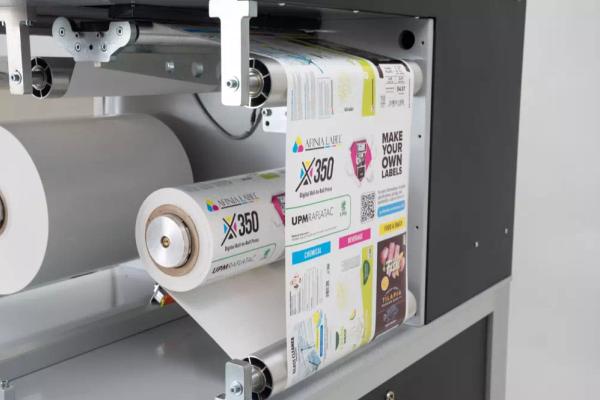
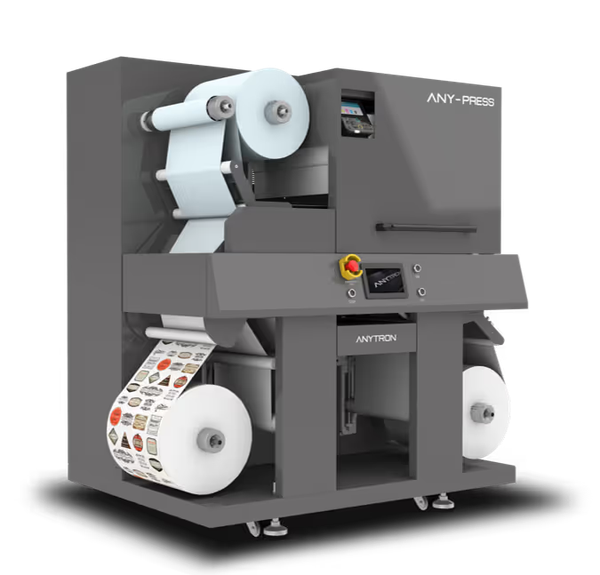
For cosmetics, the choice of technology matters more than elsewhere. Water-based Memjet inkjet — like the Afinia X350 — delivers bright colours and high resolution, useful for tiny INCI text and refined artwork. LED toner — like the Any-Press, which also prints opaque white in addition to CMYK — is particularly suited to transparent materials for the "no-label look" and offers greater resistance to oils, creams and humidity. The choice depends on the material, the environment of use and the volumes: the safest route is to test the technologies on your own real materials. To guide you, our guide on how to choose a roll label printer can help.
Conclusion
In cosmetics, the label combines regulatory compliance with brand image: with digital printing you can produce compliant labels (INCI, PAO, batch) in short runs, update the wording when the formula changes and achieve premium finishes and transparent materials, with no minimum orders.
If you'd like to evaluate the right solution for your products, contact us for a free consultation or come and print your labels live at our Demo Center in Sesto San Giovanni (Milan) — 📞 02 4943 9417. Our label printing solutions.