What smart packaging is and how to produce it in-house: QR codes, serial numbers and variable data on every piece for traceability, anti-counterfeiting and marketing — even in short runs.
Smart packaging turns a box or a label from a simple container into a digital touchpoint: a QR code, a serial number or a piece of data that changes on every item is enough to connect the physical product to the online world. In this guide we look at what smart packaging really is, what it's for and — above all — how you can produce it directly in-house with variable-data digital printing.
What smart packaging is
"Smart packaging" means packaging that carries digital or variable information: no longer the same identical artwork on thousands of pieces, but elements that change each time. The most common are QR codes (static or dynamic), unique serial numbers, batch numbers and expiry dates printed in real time, and even codes used for anti-counterfeiting authentication.
The point isn't the technology itself, but what it enables: every pack can "talk" to whoever scans it and return data to whoever produces it.
What it's for: three concrete uses
Traceability. A unique code per batch or per single item lets you follow a product along the whole supply chain, manage targeted recalls and meet traceability obligations without chasing spreadsheets.
Anti-counterfeiting and authenticity. Non-replicable serial numbers or QR codes linked to an online check help tell the original from the copy — a key concern especially in cosmetics, premium food and spare parts.
Marketing and customer relationships. A QR code on the label can point to a landing page, a video, a promotion or a loyalty programme. Packaging becomes a communication channel, not a passive cost.
On top of these comes the most everyday use: printing batch and expiry directly in line, without separately applied labels.
How it's printed: variable data
The heart of smart packaging is variable-data printing: the ability of digital printing to change one or more elements on every copy — a number, a code, a QR — without stopping the machine and without setup costs. It's exactly what traditional offset can't do cost-effectively on small quantities.
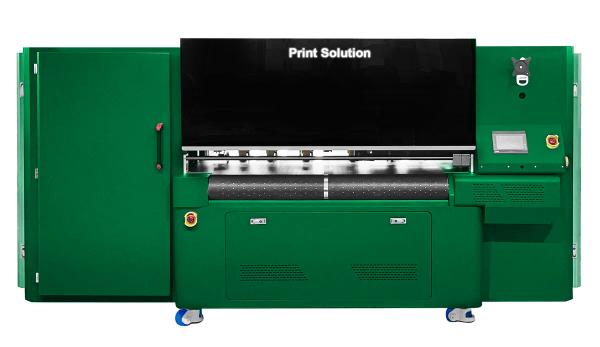
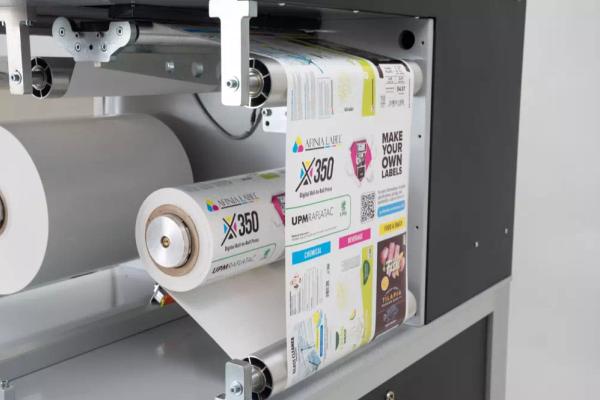
With an industrial digital printer you link the layout to a data source (a file, an ERP system) and the machine generates the codes piece by piece, together with the artwork, in a single pass. This applies both to labels on the roll and to packaging on cardboard: for example, a colour label printer like the Afinia X350 handles QR codes and variable data on the roll, while on cardboard a single-pass system like the EDM-650X prints artwork and variable data in a single pass.
Why it pays to do it in-house
Relying solely on an external supplier for content that changes constantly — codes, batches, editions — means running into minimum orders and lead times. Bringing variable-data printing in-house flips the logic: you produce only what you need, when you need it, update a code or a campaign the same day and don't stock labels destined to become obsolete.
You don't need a huge industrial line: the right volumes and the machine suited to the material — whether label or box — are enough.
Conclusion
Smart packaging doesn't require an industrial line: with variable-data digital printing you can add QR codes, serial numbers and traceability to every piece, even in short runs, turning labels and boxes into a marketing and security tool.
If you want to understand how to apply it to your products, contact us for a free consultation or come and see a live demo at our Demo Center in Sesto San Giovanni (Milan) — 📞 02 4943 9417. Discover our packaging printing machines.