The key packaging trends for 2026: sustainability, on-demand production, smart packaging and digital printing. What will shape the industry in the coming year.
In 2026 packaging is no longer just a container: it is a brand tool, a sustainability commitment and an operational advantage. The companies that are growing are adopting on-demand production, recyclable materials and digital printing to respond to the market faster with less waste.
1. Sustainability at the Centre
Sustainability is no longer an option but a requirement. The European PPWR regulation (Packaging and Packaging Waste Regulation) sets ambitious recyclability and packaging reduction targets. In 2026, companies are accelerating the transition towards:
- — packaging made from a single material to facilitate recycling
- — 83% recyclable, it is the sustainable material par excellence

- — replacing plastic padding with paper-based solutions
- — custom-fit boxes that eliminate material waste
2. Mass Personalisation
Consumers expect personalised experiences, and packaging is no exception. Digital printing makes it possible to create unique packaging for every customer, campaign or season with no additional set-up costs.
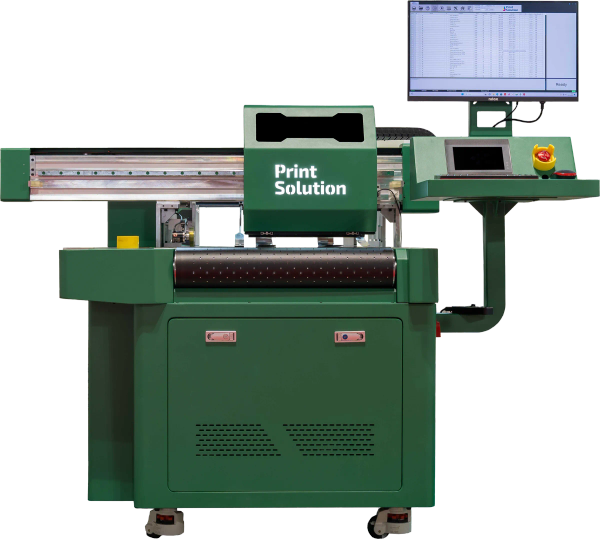
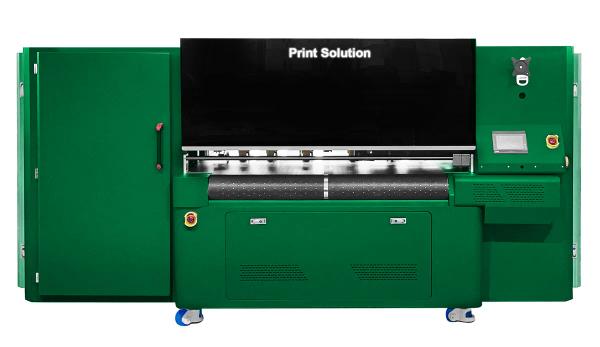
Campaigns like "Share a Coke" have demonstrated the power of personalisation. In 2026, this trend extends to SMEs as well, thanks to accessible digital printers such as the EDM-650X for cardboard and the Afinia range for labels.
3. Smart Packaging and Connectivity
Packaging is becoming interactive thanks to technologies such as:
- — linking the physical product to digital content, traceability and promotions
- — tags integrated into packaging for authentication and interaction
- — immersive experiences activatable from the packaging
- — temperature, freshness and opening sensors
Digital printing facilitates the integration of unique QR codes on every package, enabling individual traceability.
4. Minimalism and Essential Design
The "less is more" trend is consolidating. Clean designs, essential typography and reduced colour palettes communicate authenticity and transparency. Minimal packaging uses less ink, less material and is more easily recyclable.
Premium finishes such as hot foil (applicable with systems like AurumPress) allow a luxury element to be added even to the most essential designs, with a simple metallic detail.
5. E-Commerce Packaging
With e-commerce continuing to grow, shipping packaging is becoming a fundamental touchpoint. Trends include:
- Custom-fit boxes to reduce void and filling material
- Frustration-free packaging that is easy to open
- Designs conceived for unboxing and social sharing
- Return systems integrated into the packaging
6. Automation and Industry 4.0
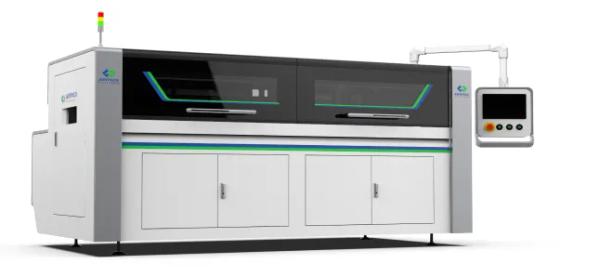
Packaging production automation is extending across the entire supply chain. Automatic box makers such as the AB2500 integrate with WMS systems to produce the right box at the right moment, on command from the management software. The goal is "lot size one": producing batches of a single piece with the same efficiency as mass production.
7. Smart Labels and Transparency
Consumers are demanding transparency on the origin, composition and environmental impact of products. Labels must communicate more information in less space. Solutions include multi-level labels, QR codes linking to information pages and digital product passports.
Conclusion
The packaging of 2026 is sustainable, personalised, connected and automated. Companies that embrace these trends not only respond to consumer expectations and regulations, but gain a concrete competitive advantage. The technologies to do so are already available and accessible.
Related products
To keep pace with packaging trends in 2026, discover our solutions: the Anypack AB2500 for on-demand packaging and the EDM 650X for digital printing on corrugated board.